
How Mount St. Joseph University's Center for Reading Science is bringing research-based early learning opportunities to preschool classrooms.
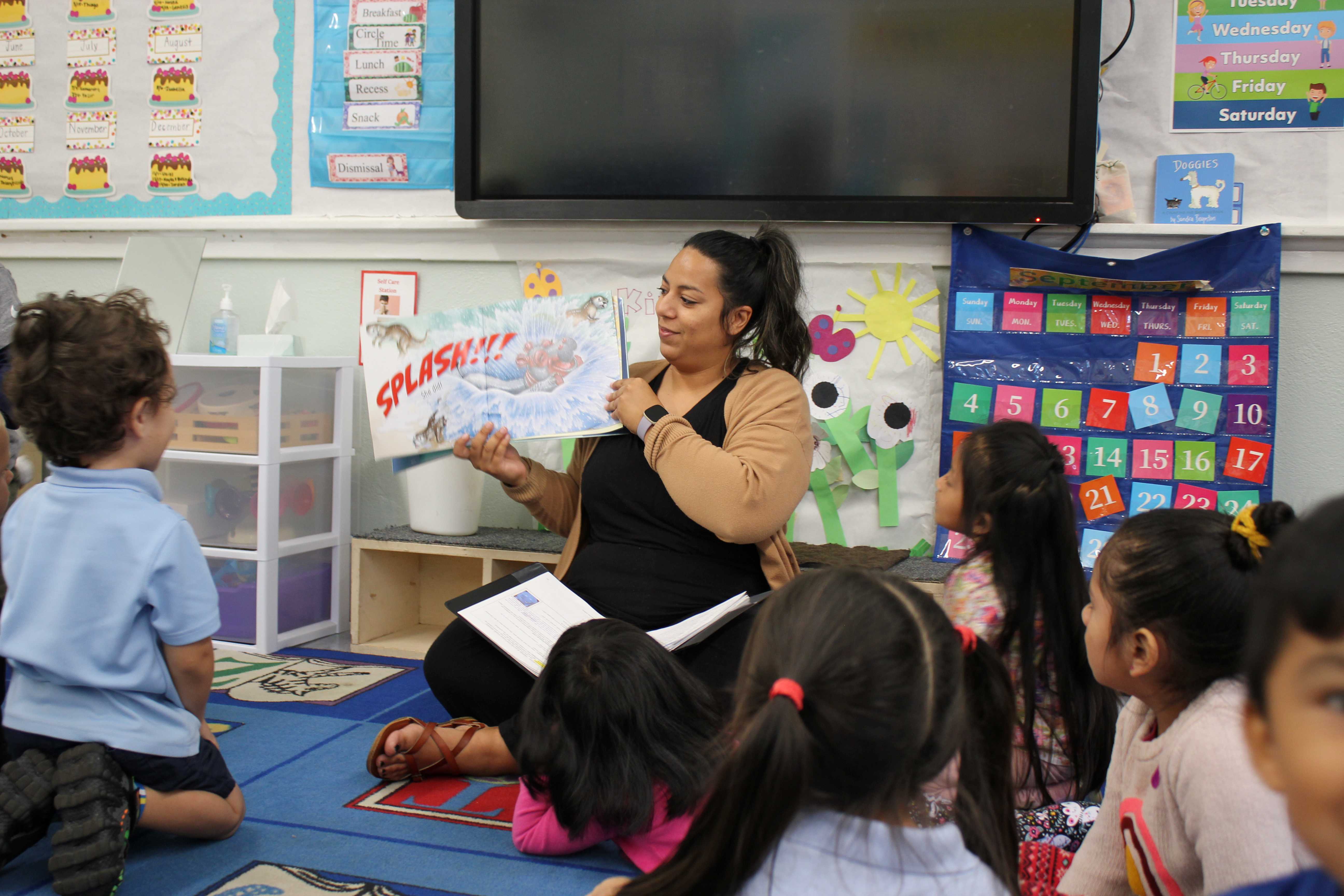
The foundation for reading success begins long before a child enters kindergarten. During the preschool years, children are developing the language, knowledge, and early literacy skills that will support their learning for years to come. Yet access to high-quality early childhood instruction remains inconsistent, leaving too many children entering school without the foundational skills they need to thrive.
At Mount St. Joseph University's Center for Reading Science, Project Ready! is working to change that trajectory. Developed to bridge the gap between research and classroom practice, Project Ready! is a comprehensive early childhood initiative designed to strengthen language, literacy, and learning opportunities for preschool children. At its heart is Joyful Discoveries, a research-based curriculum that combines intentional instruction with the curiosity, exploration, and joy that define early childhood learning.
Grounded in Research, Designed for Children
Originally developed by Dr. Amy Murdoch and colleagues at Mount St. Joseph University, Project Ready! began with a commitment to addressing disparities in early learning opportunities, particularly for children experiencing economic disadvantage. Research consistently demonstrates the importance of early language development, vocabulary knowledge, background knowledge, and foundational literacy skills. Project Ready! translates this research into practical, accessible instructional resources that educators can use in their classrooms.
Designed for children ages three to five, Joyful Discoveries integrates rich content across science, social studies, literature, and the arts. Children explore engaging topics such as astronomy, geography, weather, plants, and animals while building the language and knowledge needed to understand the world around them.
Intentional whole-group and small-group instructional routines strengthen oral language, vocabulary, phonological awareness, alphabet knowledge, and other essential early learning skills. These experiences are complemented by purposeful play, opportunities for meaningful conversation, and activities that encourage children to apply what they are learning. The goal is not simply to prepare children for kindergarten, but to provide rich, meaningful learning experiences that establish a strong foundation for future success.
More Than a Curriculum
An important distinction of Project Ready! is its recognition that high-quality instructional materials are only one piece of effective early childhood education. Teachers need access to research-based knowledge, opportunities to develop their instructional practices, and ongoing support as they respond to the diverse strengths and needs of children in their classrooms. Through professional learning, instructional coaching, assessment training, and collaborative data review, the Project Ready! team partners with educators and school leaders to strengthen instruction and support effective implementation. These partnerships emphasize using assessment information to guide instructional decisions, responding to individual learning needs, and creating classroom environments where all children have opportunities to participate and succeed. Accessibility is another guiding principle. Project Ready! curriculum and instructional resources are available at no cost through the Center for Reading Science website, helping reduce financial barriers to high-quality early childhood instruction.
From research to Measurable Impact
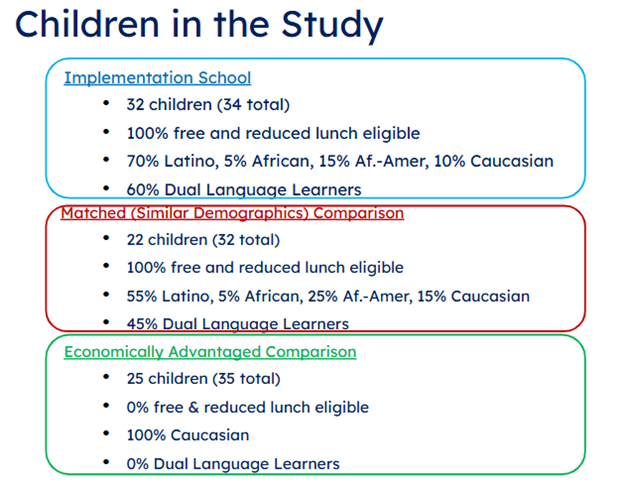
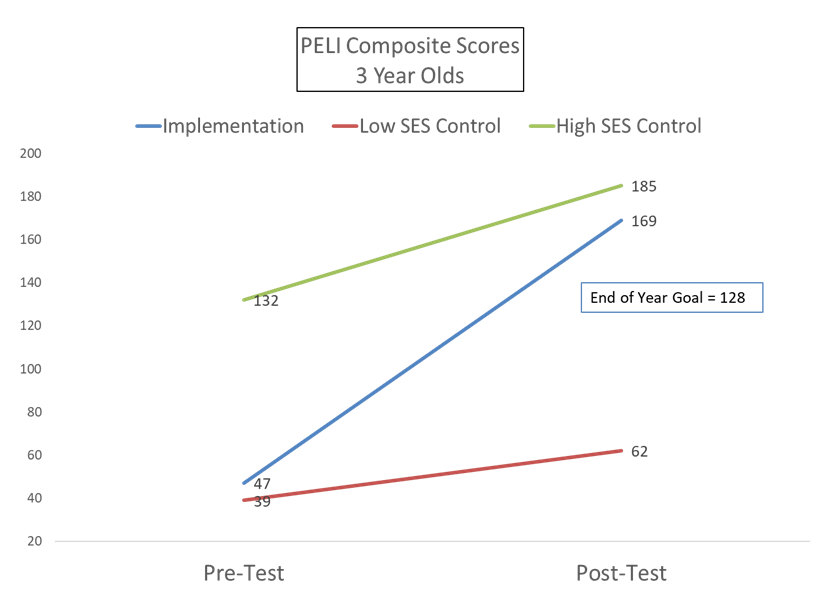
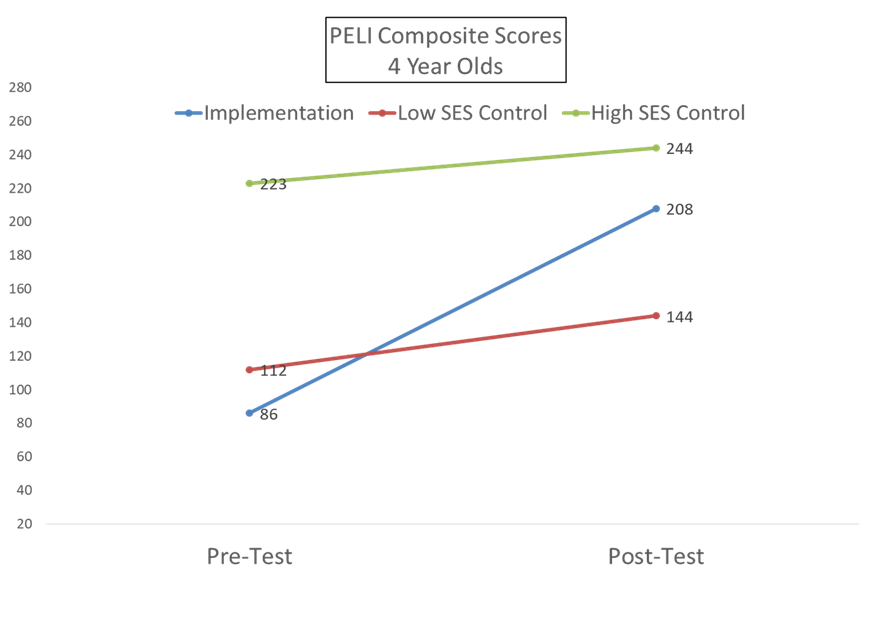
The promise of Project Ready! was evident in its earliest research. An initial pilot study examined implementation in preschool classrooms serving children from economically disadvantaged backgrounds. Compared with children in two comparison-school groups, children participating in Project Ready! demonstrated greater growth in early language and literacy skills, narrowing differences in performance associated with economic disadvantage. These encouraging findings helped establish a foundation for continued program development, research, and expansion. Since its early implementation, Project Ready! has grown through partnerships with schools and educators committed to strengthening early childhood instruction. One longstanding partner, Holy Family School in Cincinnati's East Price Hill neighborhood, has implemented Project Ready! for multiple years. Below are results from our pilot study project.
Beyond the quantitative outcomes, the impact of Project Ready! can also be seen in the instructional opportunities available to children and the support provided to the educators who serve them. By connecting research, curriculum, assessment, and professional learning, the initiative offers schools a comprehensive approach to strengthening early childhood education.
Published in Reading and Writing Quarterly
Expanding Opportunities for Children and Educators
As interest in evidence-based early childhood instruction continues to grow, so do opportunities for Project Ready! to reach additional classrooms and communities. The Center for Reading Science continues to refine and expand Joyful Discoveries, incorporating research, educator feedback, and practical classroom experience into ongoing curriculum development. The team is also expanding opportunities for professional learning and implementation support, helping schools build the knowledge and systems needed to sustain high-quality instruction over time.
Project Ready! Reach and Impact: 2026–2027
- 13 school, district, and organizational partnerships/projects documented for the 2026–2027 school year, including 2 new partnerships and 11 continuing partnerships.
- 305 participants identified across partnership and project activities, including professional learning, curriculum implementation support, coaching, and leadership development.
- At least 67 preschool classrooms represented across nine partnerships, demonstrating the reach of Project Ready!'s instructional resources and implementation support.
- Partnerships spanning multiple states: reflecting the program's growing geographic reach.
- 27 training sessions documented or planned through partnerships, addressing curriculum implementation, alphabetics, mathematics, language comprehension, and data-based decision-making.
- At least 14 individually- designed coaching sessions, supplemented by ongoing, individualized classroom coaching and support for school leaders.
- 11 educational leaders participating in a leadership coaching initiative, which includes six group learning sessions and opportunities for individualized coaching, spanning from September 2026 through May 2027.
Looking ahead, Project Ready! remains focused on increasing access to high-quality early learning experiences, strengthening partnerships with schools, and ensuring that educators have the tools and support needed to put research into practice.
Building a Stronger Future, One Classroom at a Time
Project Ready! reflects Mount St. Joseph University's broader commitment to connecting research with meaningful community impact. What began as a research initiative has developed into an expanding effort to support educators, strengthen early childhood instruction, and improve learning opportunities for young children. Through Joyful Discoveries and its commitment to professional learning, Project Ready! demonstrates that intentional, evidence-based instruction and joyful childhood experiences are not competing priorities. Together, they create powerful opportunities for learning. And when children are provided with those opportunities from the very beginning, the possibilities for their futures grow.
Learn more about Project Ready! and access the curriculum and professional learning resources at www.readingscience.org/preschool